
Why Danish Furniture Design Became So Famous
Danish furniture design is widely regarded as some of the finest furniture ever produced. Pieces created during the mid twentieth century are still highly sought after today and regularly appear in modern interiors around the world.
But what made Danish furniture so special, and why does it remain so influential decades later?
A Philosophy of Simplicity
At the heart of Danish design is a philosophy often described as “functional simplicity.”
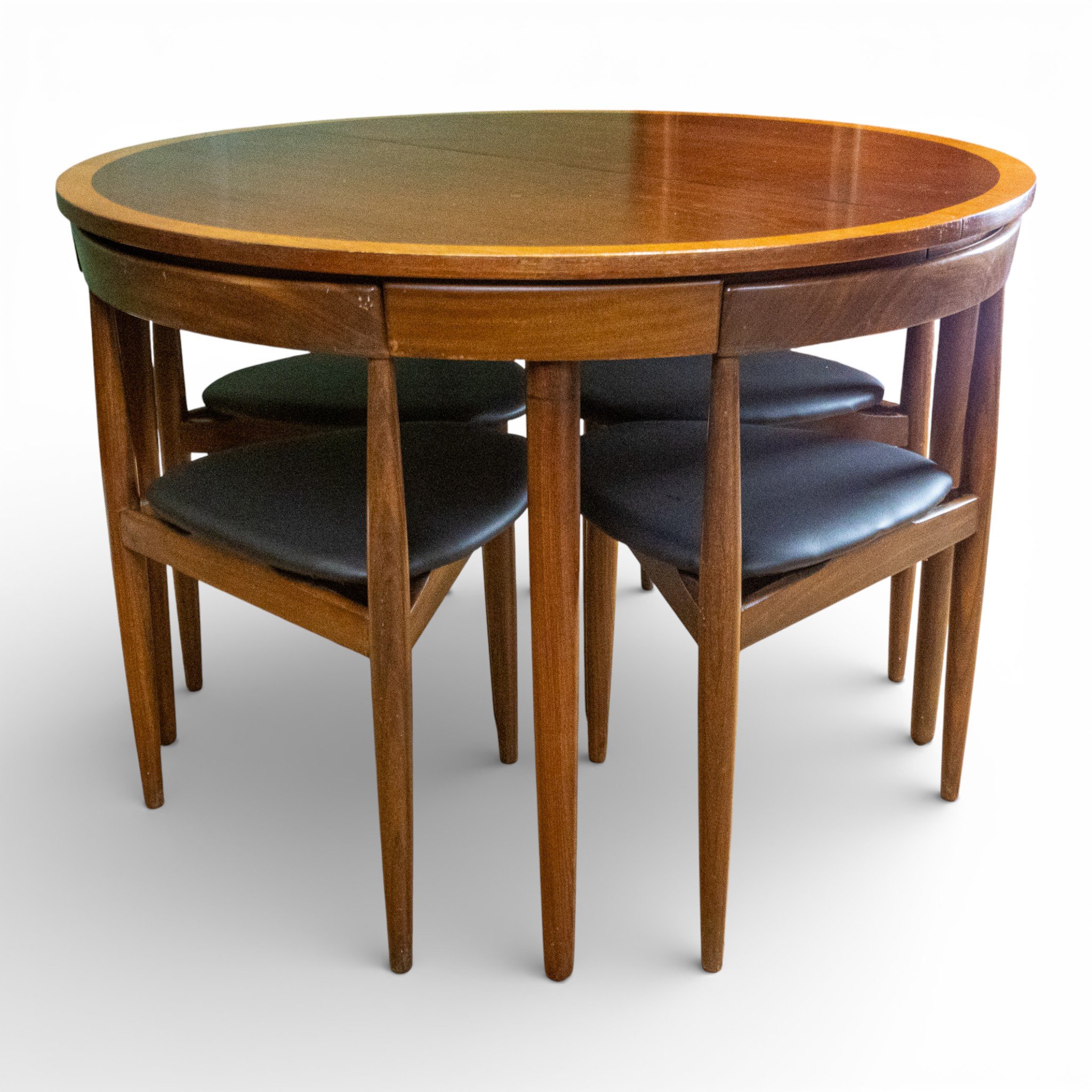
Hans Wegner for Frem Rolje - ‘Roundette’ Dining Set
Designers believed furniture should be:
Beautiful
Comfortable
Practical
Built to last
Rather than adding unnecessary ornamentation, Danish designers focused on proportion, craftsmanship and materials.
The result was furniture that felt both elegant and effortless.
The Rise of Danish Modern
After the Second World War, Denmark experienced a period of creative innovation in furniture design.
Designers such as Hans Wegner, Arne Jacobsen and Børge Mogensen helped establish what became known as Danish Modern.
Their work introduced furniture that was:
Light and elegant in appearance
Comfortable for everyday use
Carefully crafted using natural materials
This style quickly gained international attention, particularly in the United States and the United Kingdom.
Teak and Craftsmanship
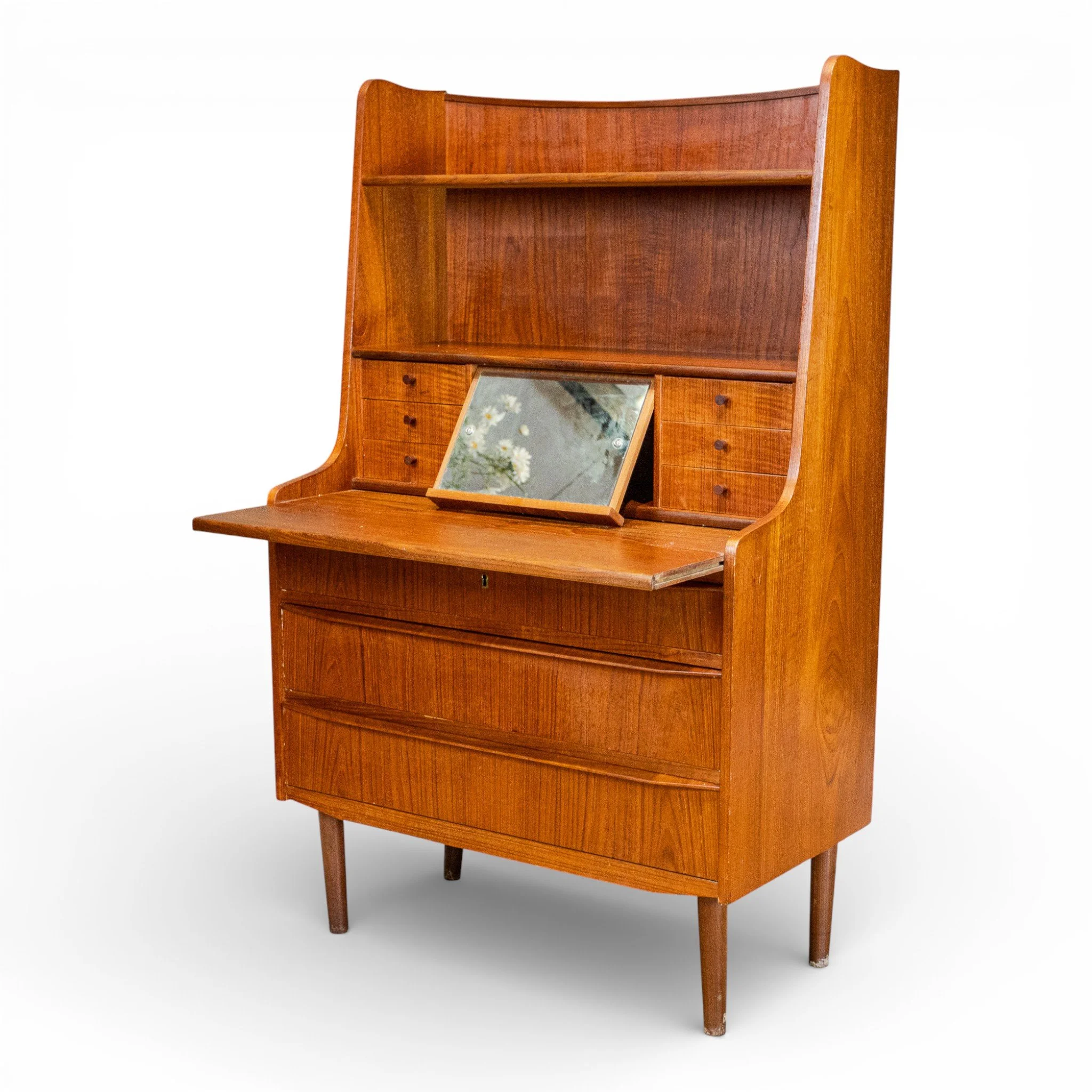
Danish Teak Secretaire Bureau Desk by Erik Petersen
One of the defining materials of Danish furniture is teak.
Teak offered several advantages:
Exceptional durability
Beautiful grain patterns
A warm, natural colour
Resistance to warping
Combined with the exceptional craftsmanship of Danish cabinet makers, this resulted in furniture that remains both functional and visually striking decades later.
Danish teak dining tables, sideboards and chairs are particularly admired for their balance of form and function.
Intelligent Design
Many Danish furniture pieces feature clever engineering.
For example:
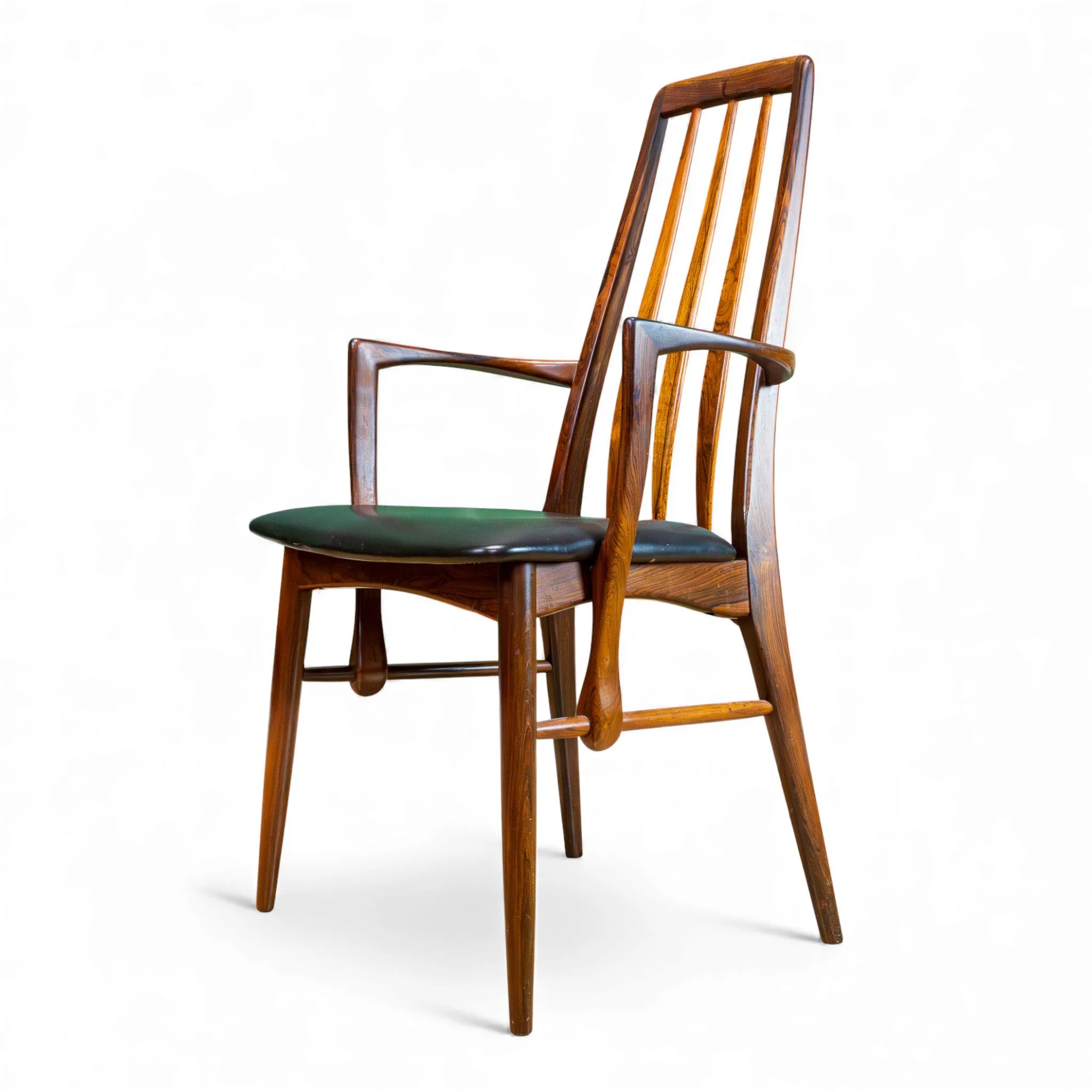
Rosewood ‘Eva’ Chair by Niels Koefoed
Extendable dining tables that increase seating capacity without taking up extra space day-to-day
Chairs designed with ergonomics in mind for comfort
Storage pieces that maximise usable space
These thoughtful design solutions mean Danish furniture remains extremely practical for modern homes.
Why Danish Furniture Still Works Today
Although Danish furniture was designed in the mid twentieth century, it blends effortlessly with contemporary interiors.
The combination of natural materials, clean lines and balanced proportions means it rarely feels dated. Instead, it offers warmth and character without overwhelming a room.
For this reason, many interior designers continue to incorporate Danish pieces into modern homes.
Investing in Danish Furniture
Well made Danish furniture has proven to be a long-term investment.
Not only is it built to last, but the demand for authentic mid-century Danish pieces remains strong among collectors and interior enthusiasts.
If you’d like to explore some examples of Danish inspired furniture, you can browse our latest pieces here:
→ Mid-century, Danish