
Mid-century furniture has never really gone out of style. Walk into almost any well-designed modern home, and you’ll likely find elements of mid-century design – whether it’s a teak sideboard, a low-profile armchair or an elegant extendable dining table.
But why has furniture designed over 60 years ago remained so popular today?
The answer lies in the philosophy behind the design. Mid-century furniture was created with a focus on practicality, craftsmanship and simplicity – qualities that still resonate strongly in modern interiors.
Designed for Real Living
Unlike many traditional furniture styles that prioritised decoration, mid-century furniture focused on function first. Designers believed furniture should work with everyday life rather than dominate a room.
This led to innovations such as:
Extendable dining tables for flexible entertaining
Low-profile furniture that makes rooms feel more spacious
Multi-functional storage, like sideboards and cabinets
Clean, uncluttered designs that suit modern interiors
Many homes today face similar challenges to those in the 1950s and 60s – limited space and the need for practical storage. Mid-century furniture solves these problems beautifully.
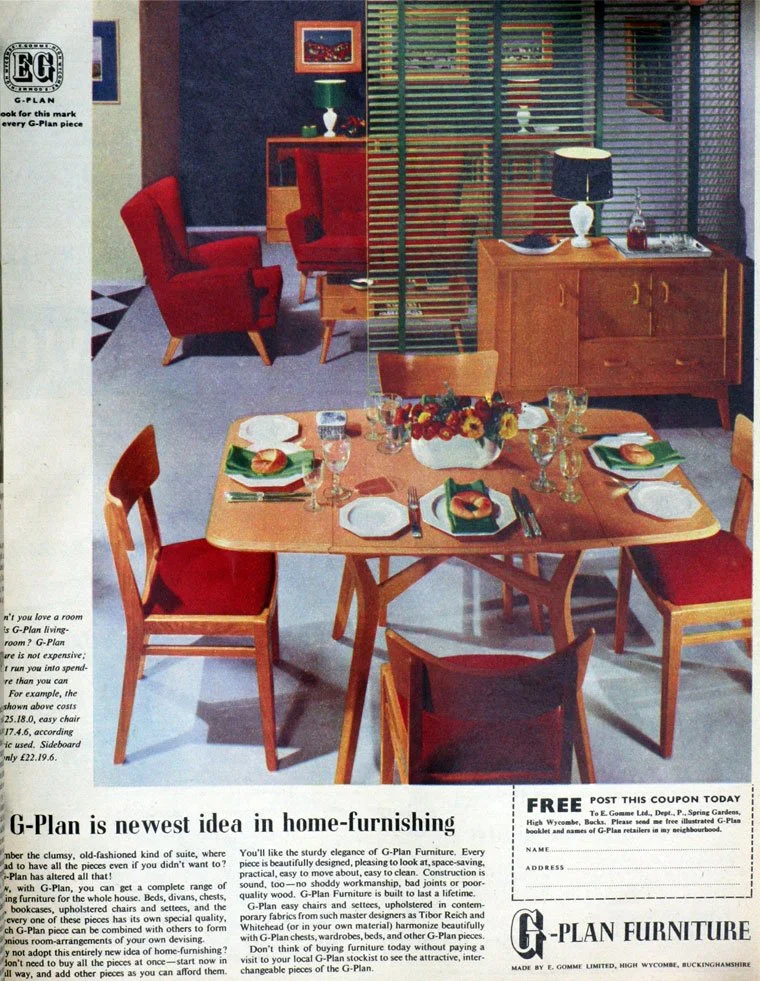
The Beauty of Teak
One of the defining materials of mid-century furniture is teak.
Teak became extremely popular with Scandinavian and British furniture makers during the mid-century period because of its durability and beautiful grain patterns. When finished well, teak develops a warm colour that works effortlessly in both modern and traditional interiors.
A well made teak sideboard or dining table can easily last for generations, which is one reason vintage mid-century pieces remain so sought after today.
Timeless Simplicity
Another reason mid-century furniture fits perfectly in modern homes is its clean design language.
Features such as:
Tapered legs
Curved edges
Minimal handles
Balanced proportions
mean these pieces rarely feel dated. Instead, they provide subtle character without overwhelming a room.
This simplicity also allows mid-century furniture to mix easily with other styles such as rustic, contemporary or antique interiors.
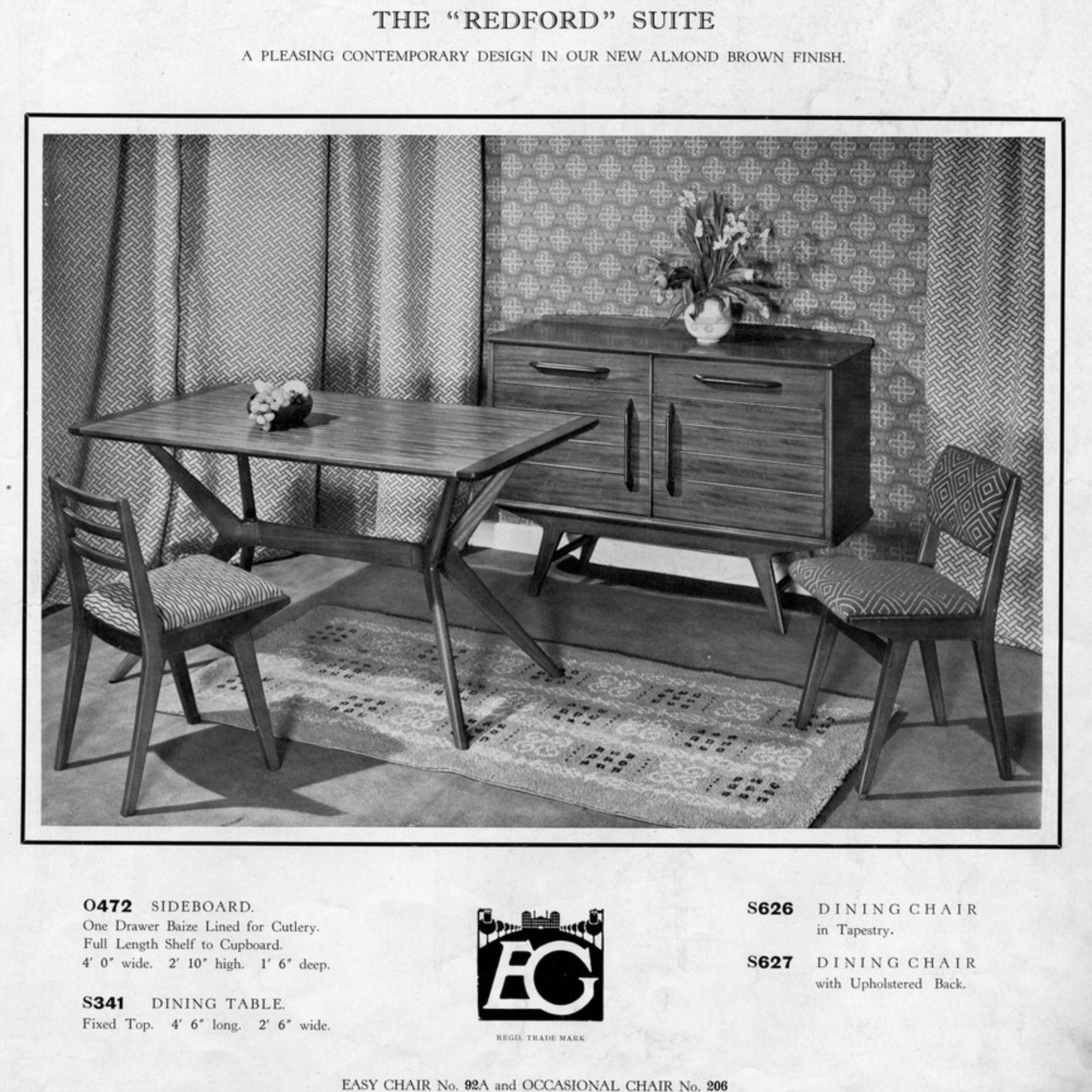
Practical Storage Solutions
One of the most useful pieces to emerge from the mid-century period is the sideboard.
Originally designed to provide storage for dining rooms, mid-century sideboards offer generous space for everything from tableware to everyday household items. Many also feature beautifully engineered sliding doors or drawers, making them both practical and elegant.
A well chosen sideboard can become the centrepiece of a room while also solving storage problems.

White & Newton Teak 'Petersfield' Sideboard
Built to Last
Perhaps the biggest difference between vintage furniture and much of today’s mass-produced furniture is construction quality.
Mid-century furniture was typically made using solid wood frames, quality veneers and traditional joinery techniques. This means many pieces have already lasted over half a century and still have decades of life left in them.
Investing in well made vintage furniture is often far more sustainable than repeatedly replacing modern flat-pack alternatives.
Bringing Mid Century Style Into Your Home
You don’t need to completely redesign your interior to enjoy mid-century furniture.
Often, just one or two well chosen pieces can transform a room. A teak sideboard, a Danish dining table or a comfortable armchair can add warmth and character while remaining incredibly practical.
If you’re interested in exploring mid-century furniture further, you can browse our latest pieces here:
→ Mid-century